
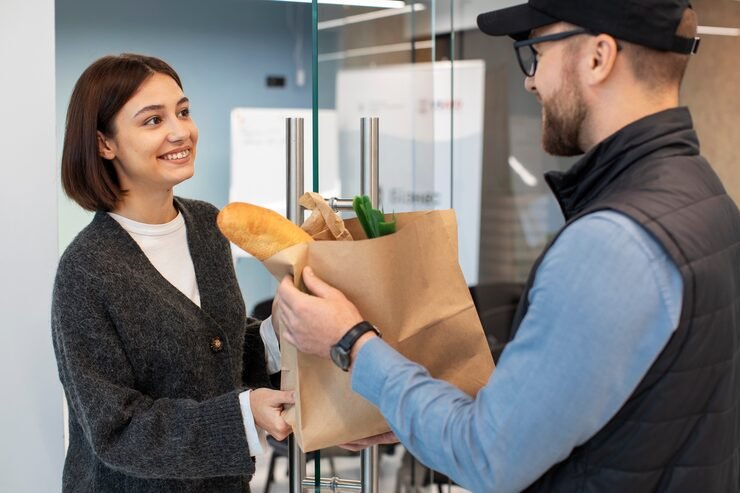
The food industry has undergone a major transformation in recent years. With the rapid growth of online food delivery platforms, businesses no longer need a physical restaurant to succeed.
At the center of this shift is the commissary kitchen—a powerful solution that enables food delivery businesses to operate efficiently, reduce costs, and scale quickly.
🍳 What is a Commissary Kitchen?
A commissary kitchen is a licensed, shared commercial kitchen where food businesses can prepare, cook, and store food.
Unlike traditional restaurants, these kitchens are designed specifically for:
- Delivery-only brands
- Cloud kitchens
- Food startups
👉 No dine-in space required—just focus on production and delivery.
🚚 Rise of Food Delivery Businesses
Food delivery apps like:
- Swiggy
- Zomato
- Uber Eats
have changed how customers order food.
Key Trends:
- Increased demand for home delivery
- Preference for convenience
- Growth of cloud kitchens
👉 This shift has created the perfect environment for commissary kitchens to thrive.
🚀 How Commissary Kitchens Support Food Delivery Businesses
💰 1. Lower Operational Costs
Traditional restaurants require:
- Dining space
- Interior design
- Front staff
Commissary kitchens eliminate these costs.
👉 You only pay for kitchen usage, reducing overall expenses.
⚡ 2. Faster Business Setup
Setting up a restaurant takes months.
With a commissary kitchen:
- No construction required
- Ready-to-use setup
- Immediate operations
👉 Launch your delivery business within days.
📍 3. Strategic Location Advantage
Many commissary kitchens are located in:
- High-demand delivery zones
- Urban areas
👉 This helps reduce delivery time and improve customer satisfaction.
📦 4. Optimized for Delivery Operations
Commissary kitchens are designed for:
- High-volume cooking
- Efficient order processing
- Packaging and dispatch
👉 This makes them perfect for handling multiple delivery orders.
📈 5. Easy Scalability
As your delivery orders grow, you can:
- Increase kitchen usage hours
- Expand your menu
- Add more staff
👉 Scale without investing in new infrastructure.
🍔 6. Multi-Brand Operations
One of the biggest advantages is running multiple brands from one kitchen.
Example:
- Burger brand
- Pizza brand
- Dessert brand
👉 All can operate from the same space, maximizing profits.
🧪 7. Menu Testing & Innovation
Delivery businesses need to adapt quickly.
Commissary kitchens allow you to:
- Test new dishes
- Launch limited-time menus
- Experiment with pricing
👉 Innovate without high risk.
📜 8. Legal Compliance & Safety
Food delivery businesses must follow strict regulations.
Commissary kitchens are:
- Licensed
- Health-inspected
- Food safety compliant
👉 Ensures trust and avoids legal issues.
🧼 9. Maintenance & Cleanliness
Maintaining a kitchen can be time-consuming.
Commissary kitchens provide:
- Cleaning services
- Equipment maintenance
- Waste management
👉 You focus on food and delivery operations.
🤝 10. Integration with Delivery Platforms
Many commissary kitchens support integration with:
- Swiggy
- Zomato
- Uber Eats
👉 Making it easier to manage orders and deliveries.
🆚 Commissary Kitchen vs Traditional Restaurant for Delivery
| Feature | Commissary Kitchen | Traditional Restaurant |
|---|---|---|
| Cost | Low | High |
| Setup Time | Fast | Slow |
| Delivery Focus | High | Medium |
| Dine-In Cost | None | High |
| Scalability | Easy | Limited |
👉 Commissary kitchens are clearly more efficient for delivery-focused businesses.
💡 Real-Life Example
Imagine launching a food delivery brand:
With Commissary Kitchen:
- Start with low investment
- Operate multiple brands
- Deliver quickly
With Restaurant:
- High setup cost
- Limited to one concept
- Slower growth
👉 Most successful delivery startups begin with commissary kitchens.
🔮 Future of Food Delivery + Commissary Kitchens
The future of the food industry is:
- Delivery-first
- Tech-driven
- Cost-efficient
Commissary kitchens support this future by:
- Reducing investment
- Increasing efficiency
- Enabling rapid growth
👉 They are becoming the backbone of modern food delivery businesses.
🏁 Conclusion
Commissary kitchens are revolutionizing food delivery businesses by offering:
- Lower costs
- Faster setup
- High scalability
- Operational efficiency
👉 If your goal is to build a successful delivery-based food brand, a commissary kitchen is the smartest choice.