
Launching a food startup is exciting—but it can also be expensive, time-consuming, and risky. From renting a space to buying equipment and meeting legal requirements, the challenges can slow down your growth before you even start.
This is where commissary kitchens play a crucial role. They provide a smart, cost-effective way for food startups to launch quickly and scale efficiently.
🍳 What is a Commissary Kitchen?
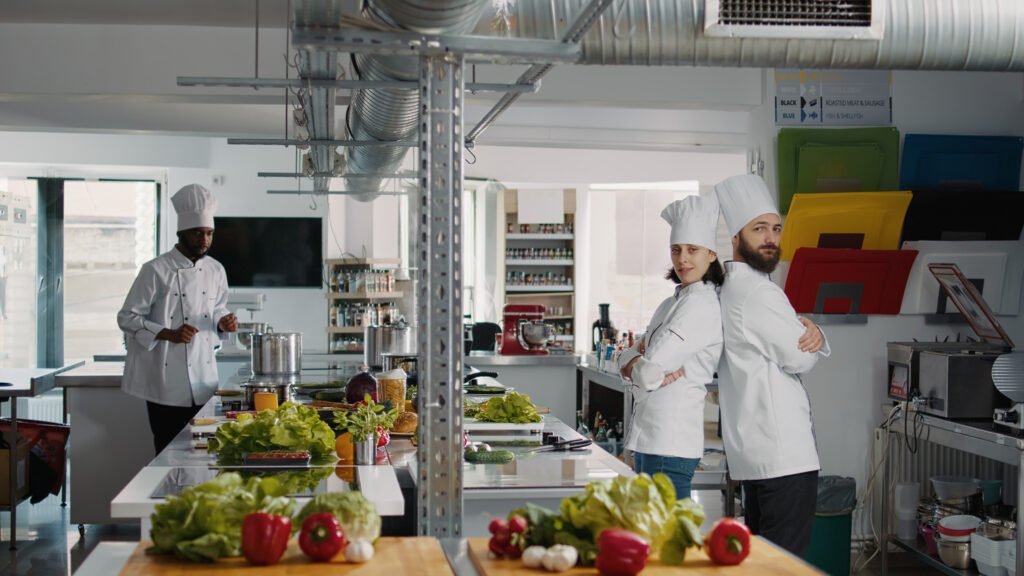
A commissary kitchen is a licensed commercial kitchen space that food businesses can rent to prepare, cook, and store food.
Instead of investing in building your own kitchen, you get access to:
- Professional equipment
- Legal compliance
- Ready-to-use infrastructure
👉 It’s the fastest way to start a food business.
🚀 Why Food Startups Need Faster Growth
In today’s competitive market:
- Trends change quickly
- Customer demand evolves fast
- Delivery platforms dominate the industry
👉 Speed matters. The faster you launch and adapt, the higher your chances of success.
⚡ How Commissary Kitchens Accelerate Startup Growth
💰 1. Reduce Initial Investment
Starting a traditional kitchen requires heavy investment in:
- Equipment
- Rent
- Setup
- Licenses
Commissary kitchens eliminate these costs.
👉 You can start with minimal capital and invest more in marketing and branding.
⏱️ 2. Faster Launch Time
Time is everything for startups.
With a commissary kitchen:
- No construction required
- No setup delays
- Immediate access to facilities
👉 You can start your food business within days.
📈 3. Easy Scalability
As your orders grow, your production needs increase.
Commissary kitchens allow you to:
- Extend working hours
- Increase production capacity
- Expand menu offerings
👉 Scale your business without relocating or upgrading infrastructure.
🧪 4. Test New Menu Ideas Easily
Experimentation is key to success.
In a commissary kitchen, you can:
- Test new recipes
- Launch seasonal menus
- Analyze customer feedback
👉 This helps you innovate without major risks.
🚚 5. Perfect for Delivery-Based Models
The rise of food delivery platforms like:
- Swiggy
- Zomato
- Uber Eats
has changed how food businesses operate.
Commissary kitchens are ideal because:
- No dine-in space needed
- Focus on production and delivery
- Lower operational costs
👉 Perfect for cloud kitchens and delivery brands.
📜 6. Hassle-Free Legal Compliance
Food businesses must follow strict rules.
Commissary kitchens are:
- Licensed
- Health-inspected
- Food safety compliant
👉 This saves time and avoids legal complications.
🧼 7. Operational Efficiency
Running a kitchen involves:
- Cleaning
- Maintenance
- Equipment management
Most commissary kitchens handle these tasks.
👉 You can focus entirely on cooking and business growth.
🤝 8. Collaboration & Networking
Working in a shared kitchen connects you with:
- Other food entrepreneurs
- Chefs
- Suppliers
👉 This opens doors for partnerships and learning opportunities.
🛠️ 9. Access to Additional Services
Many commissary kitchens offer:
- Storage facilities
- Packaging areas
- Delivery coordination
👉 These services help streamline operations and improve efficiency.
🔄 10. Flexibility to Adapt Quickly
Startups need to pivot quickly.
With flexible rental options:
- Increase or decrease usage
- Change business strategy
- Adjust production
👉 You stay agile in a competitive market.
🆚 Commissary Kitchen vs Traditional Setup
| Feature | Commissary Kitchen | Traditional Kitchen |
|---|---|---|
| Startup Time | Very Fast | Slow |
| Investment | Low | High |
| Flexibility | High | Limited |
| Risk | Low | High |
👉 For startups, commissary kitchens provide a clear advantage.
💡 Real Growth Example
Imagine a home baker starting small:
- Begins with a few orders
- Moves to a commissary kitchen
- Expands to online delivery
- Scales into a full cloud kitchen brand
👉 This growth is possible because of low cost + high flexibility.
🔮 The Future of Food Startups
The food industry is shifting toward:
- Cloud kitchens
- Delivery-first businesses
- Low-investment startups
Commissary kitchens support this shift by enabling:
- Faster launches
- Scalable operations
- Reduced risks
👉 They are the backbone of modern food entrepreneurship.
🏁 Conclusion
Commissary kitchens are transforming how food startups operate.
They help businesses:
- Start quickly
- Save money
- Scale efficiently
- Stay flexible
👉 If you want to grow your food startup faster, a commissary kitchen is the smartest choice.